Collapsism
Art
Modern works that challenge the boundaries of perception.
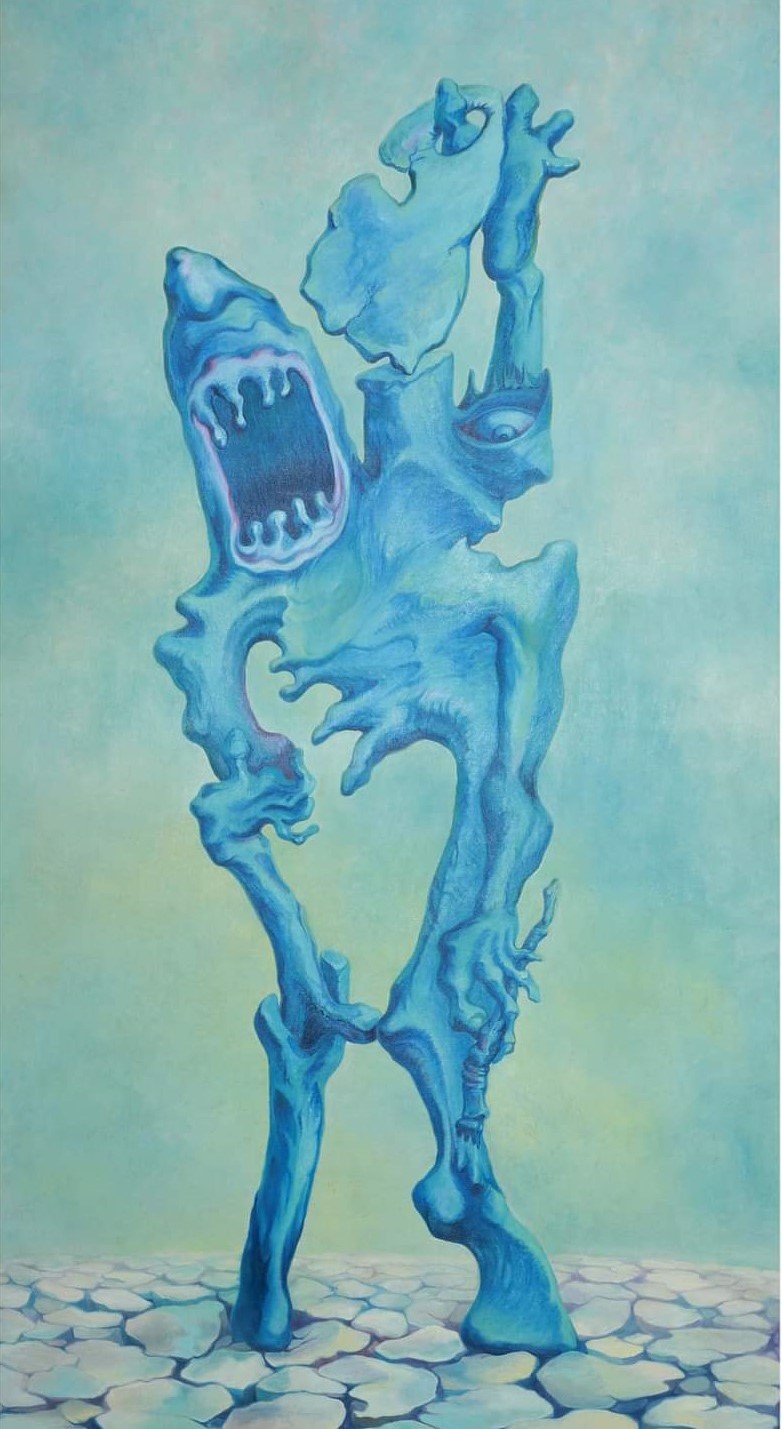
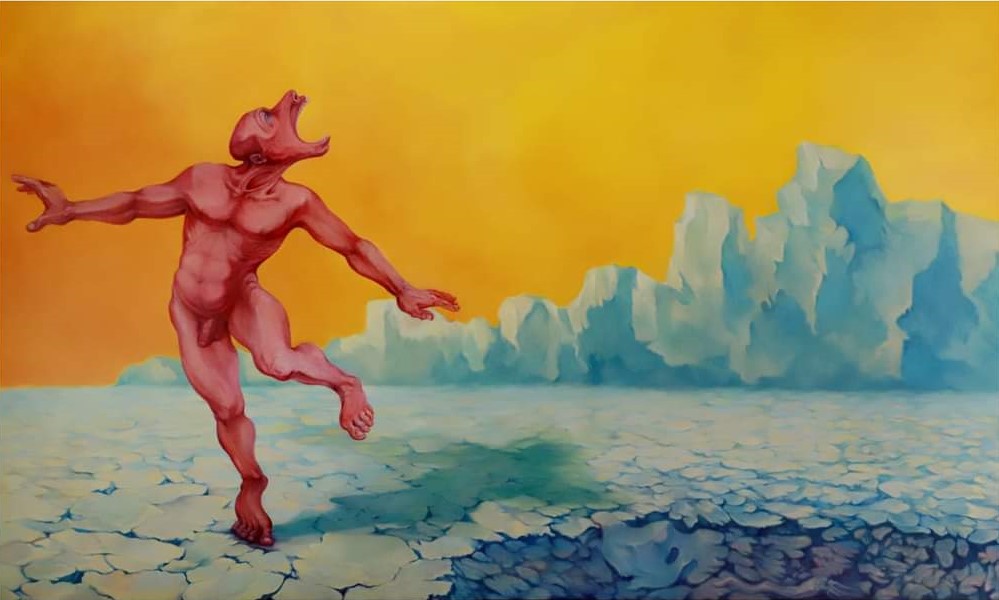
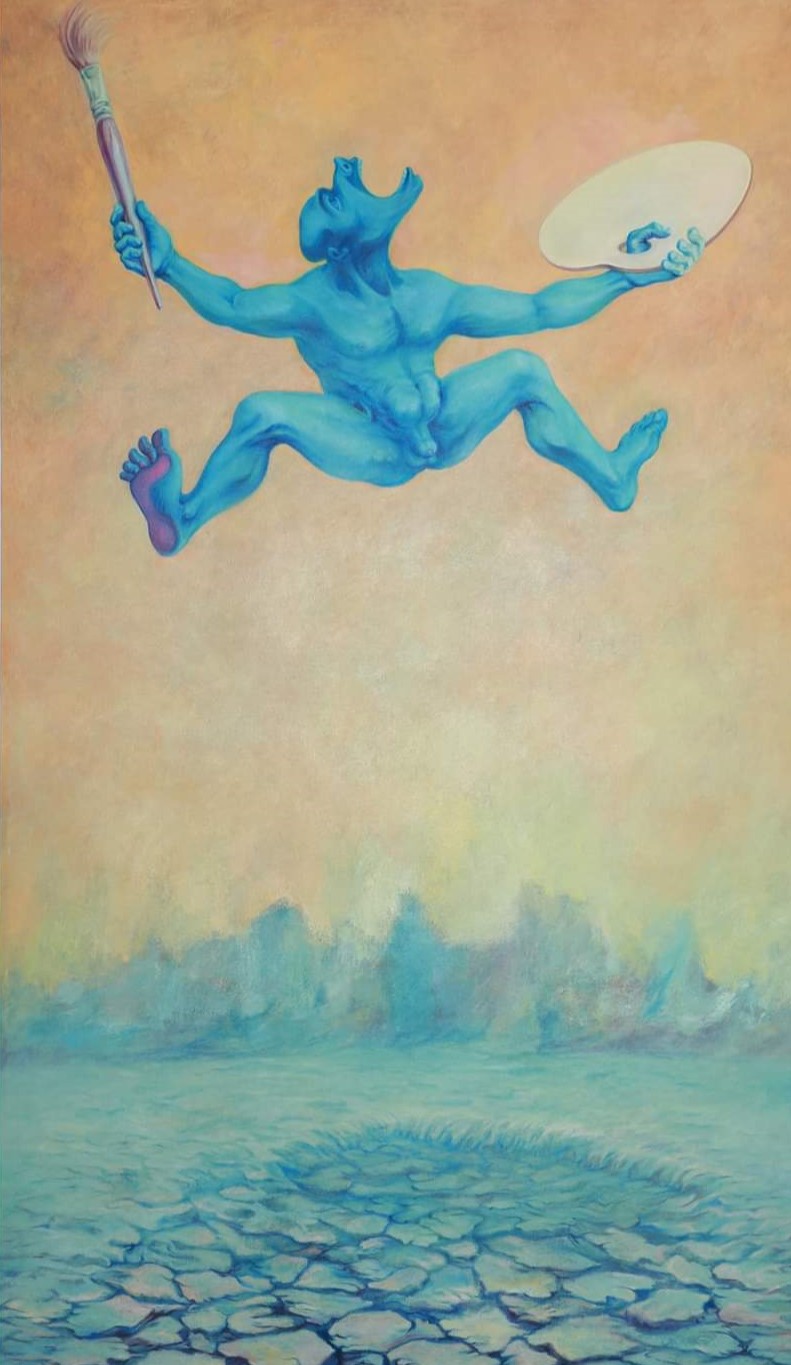
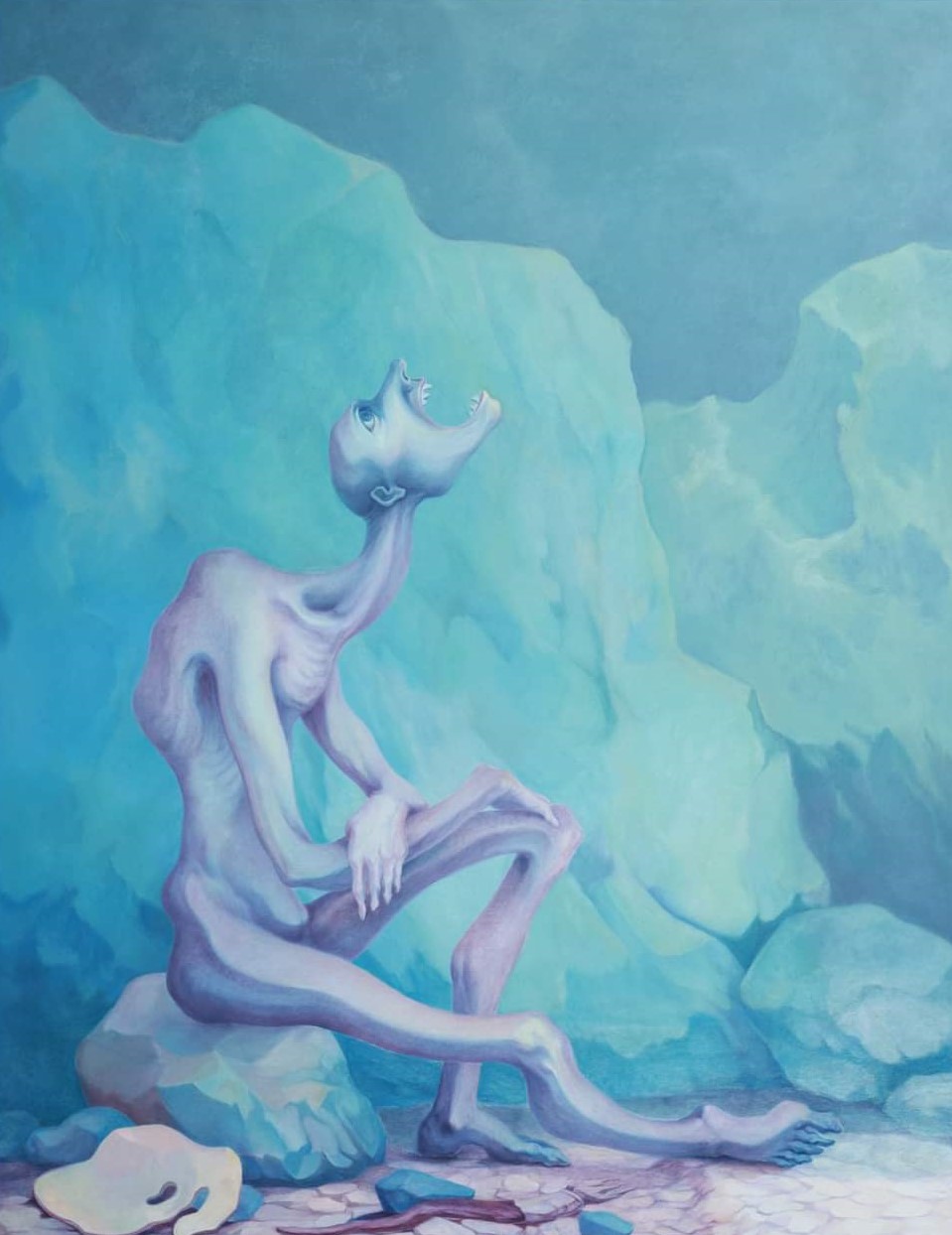
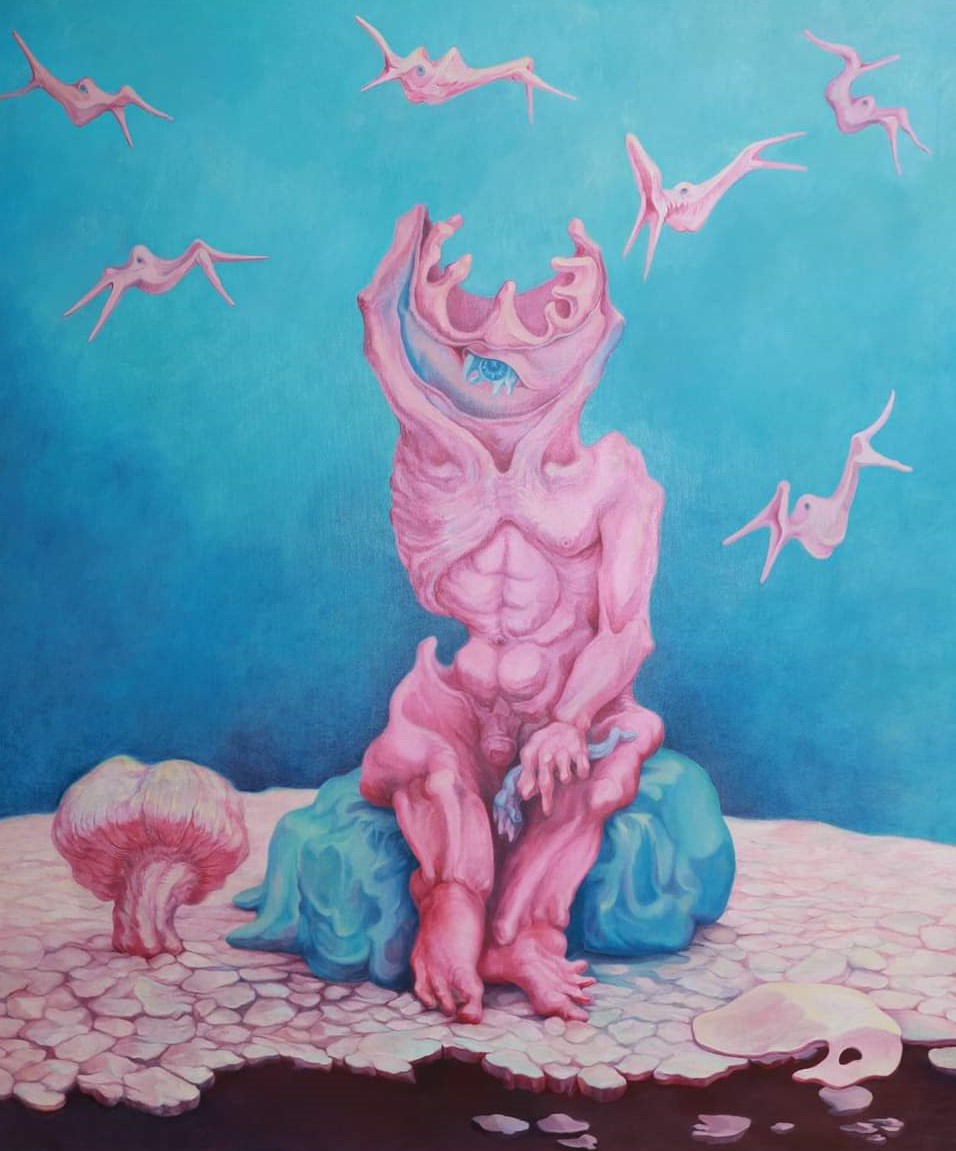
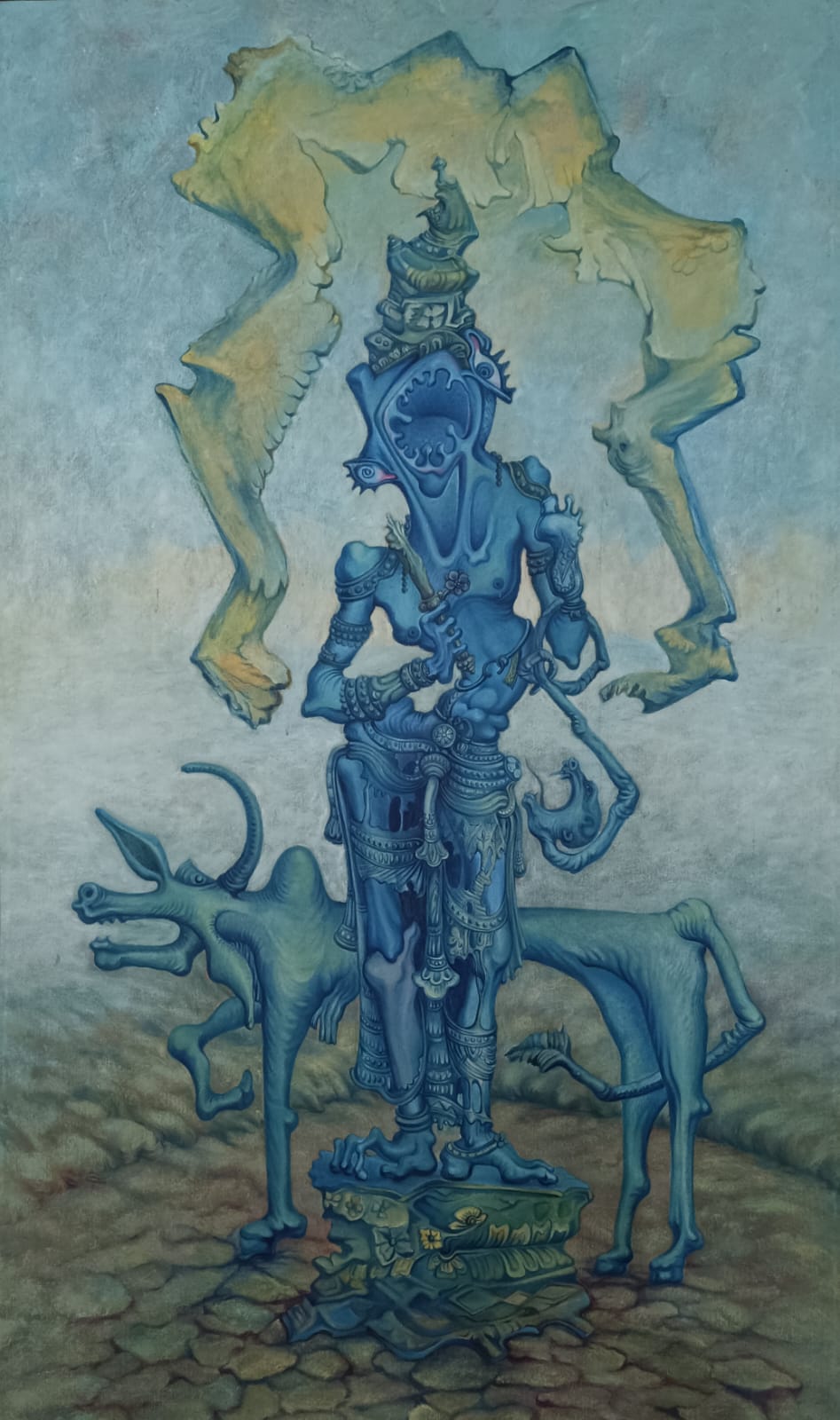
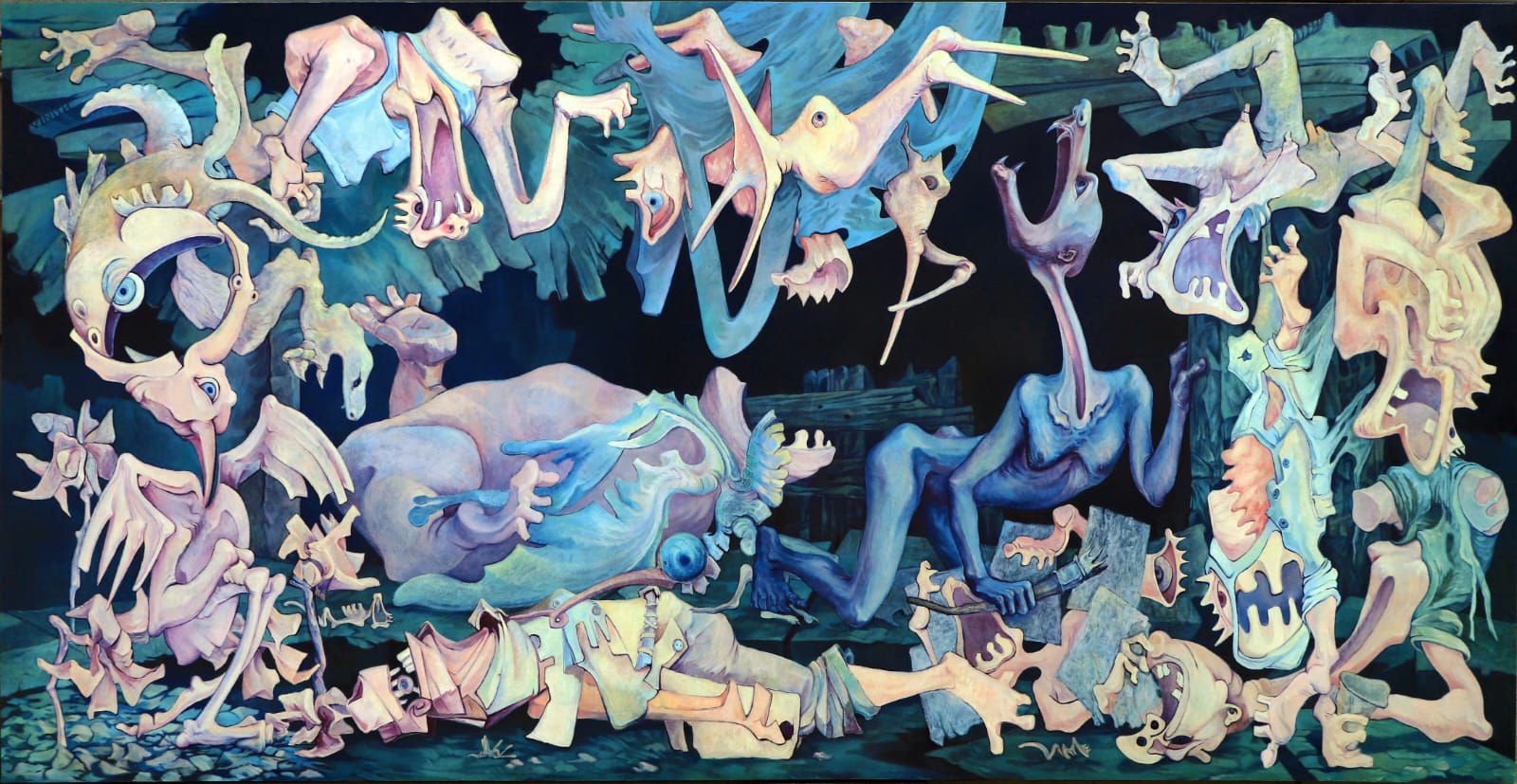
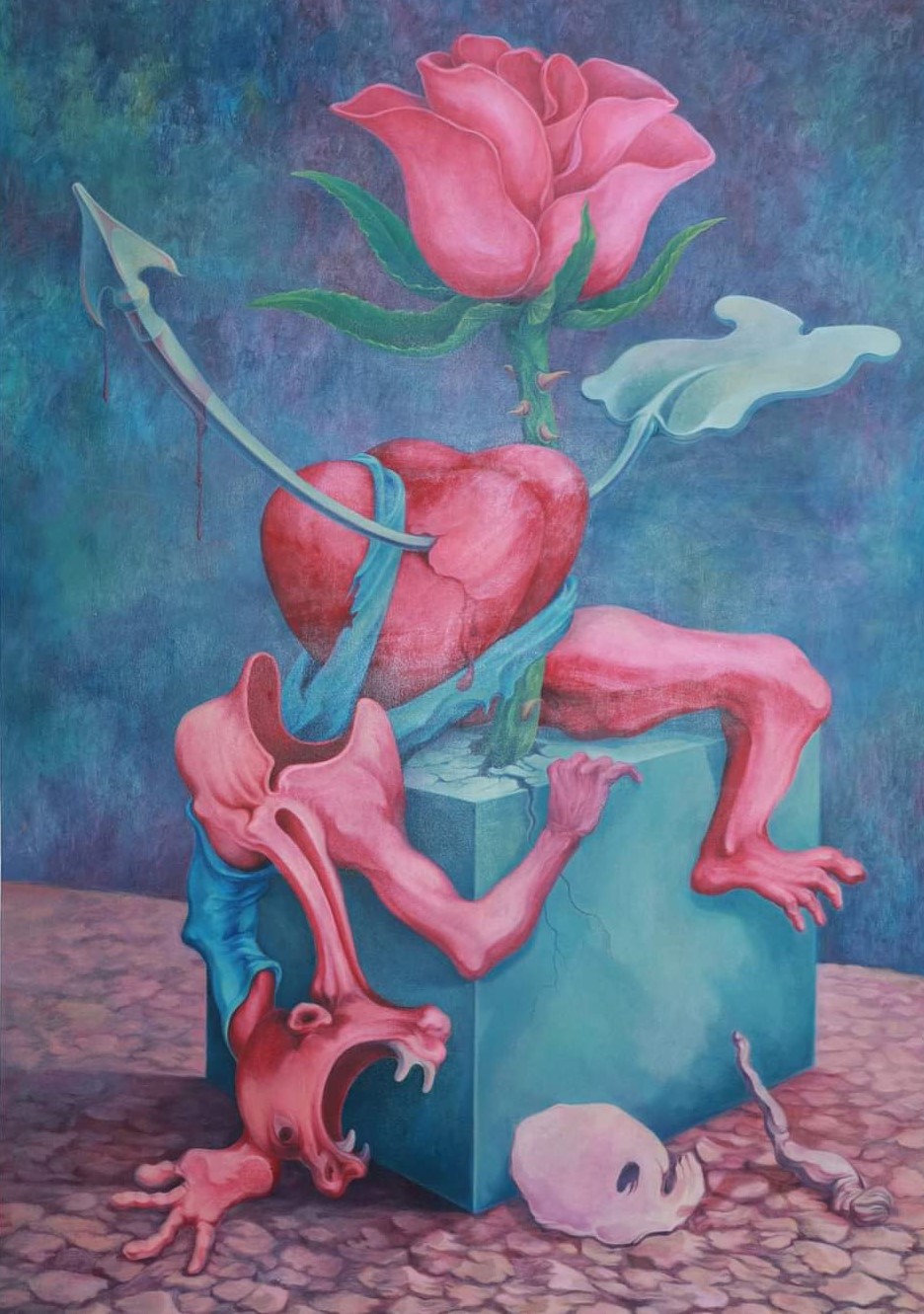
The Philosophy of Collapsism
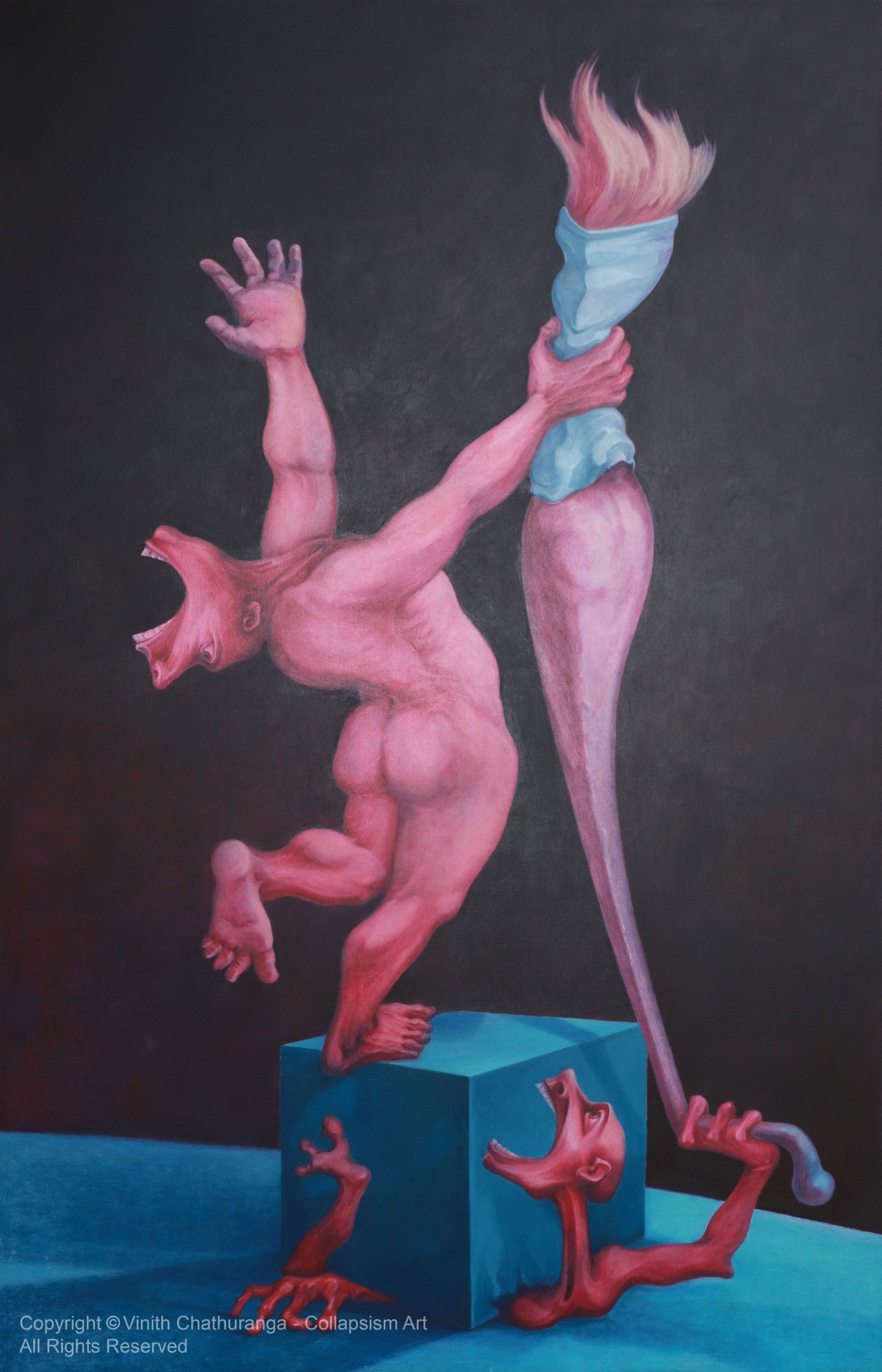
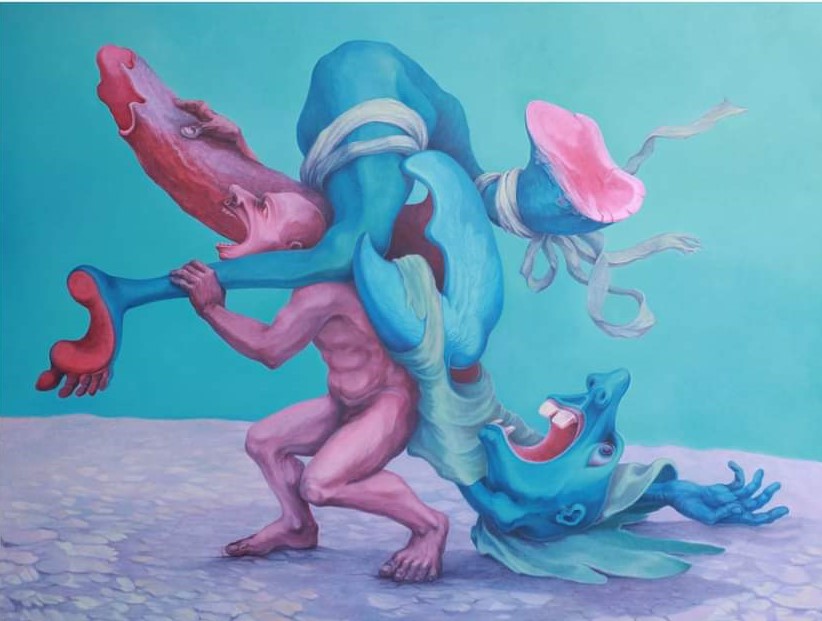
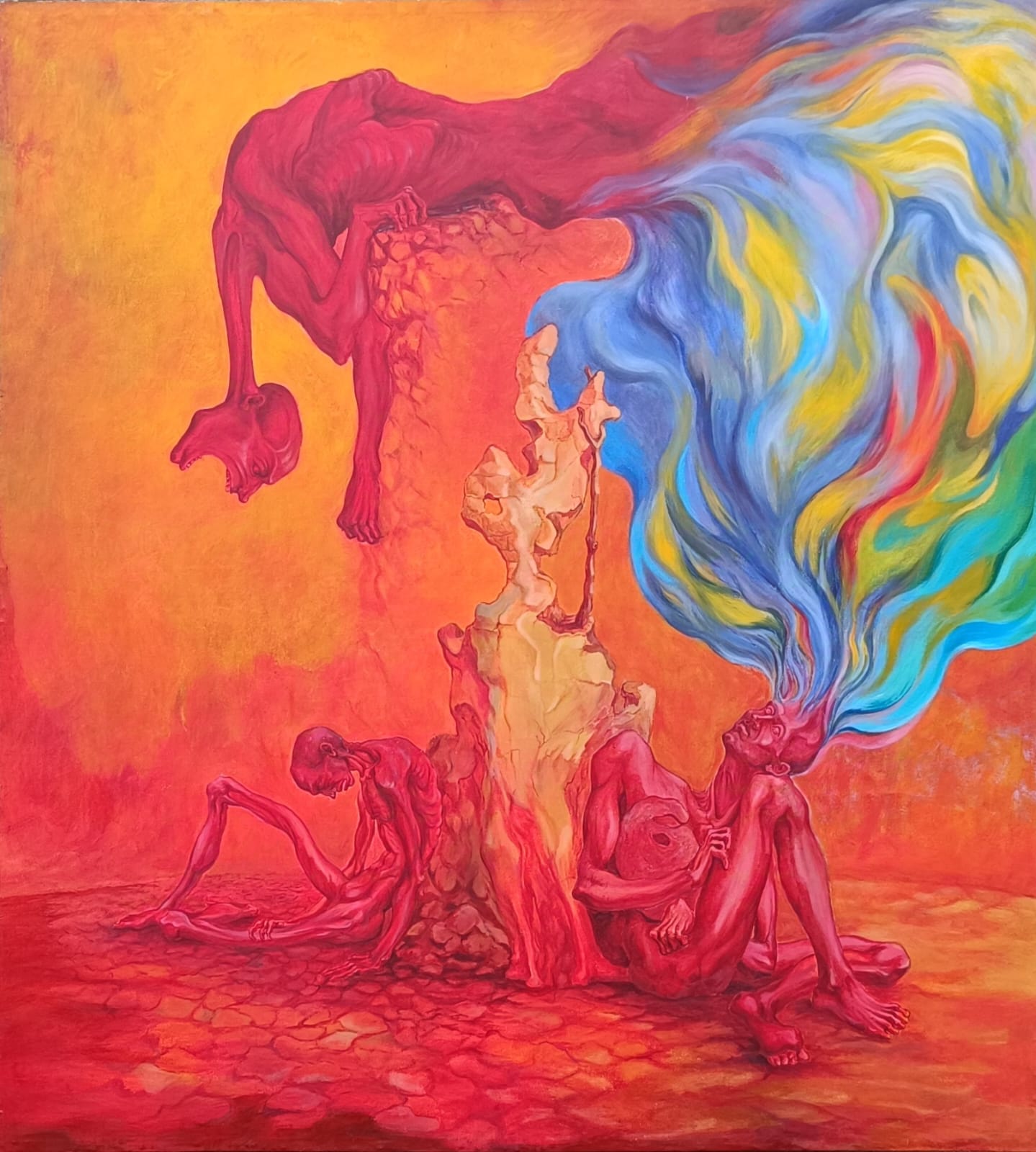
Vinith Chathuranga is a contemporary Post-Marxist critic and visual artist who created the Collapsism Art movement—a philosophy born from Sri Lanka’s decades of social and political turbulence. Witnessing how cycles of crisis shape daily life, Vinith channels those realities into a visual language that questions surface appearances and exposes the unseen. His work merges natural realism, surrealistic and magical formalism, cubist tendencies, and abstract shapes, breaking traditional academic rules to form bold new compositions.
Through Collapsism, Vinith challenges viewers to confront collapse not as destruction but as transformation. As both critic and practitioner, he believes that art must spark dialogue, provoke thought, and reveal deeper truths hidden beneath conventional structures. By fusing contemporary social, political, and cultural themes with fearless experimentation, he has positioned Collapsism as both a turning point in Sri Lankan visual art and a call to re-imagine the relationship between artist, society, and the ever-changing world.

Vinith Chathuranga
Founder of Collapsism Art
Visual Contexts and Collapsism
- Collapsism’s visual language is defined by a synthesis of key contexts that give the movement its distinctive identity. Concepts and materials are carefully selected to convey innovative ideas and thematic depth, while structural forms provide a unique framework for each work. The integration of format and content ensures that subject matter is communicated with clarity, and thoughtful composition guides the viewer’s perception.
- Explorations of time and space introduce dynamic, multidimensional layers to the artwork. Elegance and fantasy combine refined aesthetics with imaginative, fantastical expression, making Collapsism both visually compelling and intellectually engaging. Together, these visual contexts establish the movement as a significant trend in contemporary Sri Lankan art.
Purpose and Artistic Method
- Collapsism engages with questions of spirituality, fate, and identity within political and social systems. It interrogates the nature of truth and falsehood in art, exploring their dialectical relationships and how they influence the perception of other artistic streams.
- As one of Sri Lanka’s major contemporary art movements, Collapsism focuses on socially, politically, and culturally significant themes. The movement interprets these themes through a Sri Lankan lens, drawing on Marxist philosophical frameworks to analyze and depict the realities and contradictions of contemporary life.
Form, Style, and Techniques
- While diverging completely from academic traditions, Collapsism incorporates new conceptual streams, along with abstract and semi-abstract formats and content that had not previously appeared in Sri Lanka. Some works display naturalistic, magical, hyperrealistic, cubic, or surrealist elements, extending beyond the conceptual and thematic boundaries of 1990s Sri Lankan art.
- These tendencies reflect a unique synthesis: they draw on earlier local visual art practices while engaging with globally recognized artistic innovations. This combination created a distinctive Sri Lankan interpretation of contemporary art, establishing Collapsism as a notable movement in the visual arts.
Artist’s Function and Insight
- After 2010, the Sri Lankan visual art scene moved in a new direction. Art from the 1980s, 1990s, and up to 2010 was heavily influenced by the civil war. With the conclusion of the conflict, the visual art landscape gradually transitioned into a post-war period.
- Consequently, earlier artistic forms could no longer be sustained in the same way. Sri Lankan visual artists were compelled to develop independence and redefine their creative approaches. This new wave of creativity emerged organically from the artists themselves, marking a self-directed evolution in Sri Lankan art.
Collapsism’s Reach and Effect
- Emerging after the trends of the 1990s, Collapsism was formally established in Sri Lanka in 2019, becoming the first uniquely generated visual art movement in the country since that decade.
- The political, social, and cultural climate following the 1990s significantly influenced its emergence. Evolving artistic frameworks, combined with postmodern philosophical and conceptual ideas, shaped the movement’s critical and subject-oriented approaches. Collapsism thus reflects both a continuation of, and a response to, the artistic tendencies that developed in Sri Lanka after the 1990s.
- In addition to Collapsism, another visual art tendency emerged during this period: Situanism (Adherence), introduced by Jayantha Pushpakumara. Certain works by Heywood Realism artists also belong to these contemporary tendencies.
About Founder
Vinith Chathuranga is the creator of the Collapsism Art movement, a philosophy born from Sri Lanka’s decades of social and political turbulence. Witnessing how cycles of crisis shape daily life, Vinith channels those realities into a visual language that questions surface appearances and exposes the unseen. His work merges natural realism, surrealistic and magical formalism, cubist tendencies, and abstract shapes, breaking traditional academic rules to form bold new compositions.
Through Collapsism, Vinith challenges viewers to confront collapse not as destruction but as transformation. He believes that art must spark dialogue, provoke thought, and reveal deeper truths hidden beneath conventional structures. By fusing contemporary social, political, and cultural themes with fearless experimentation, he has positioned Collapsism as both a turning point in Sri Lankan visual art and a call to re-imagine the relationship between artist, society, and the ever-changing world.
Portfolio
A curated collection reflecting the essence of Collapsism.
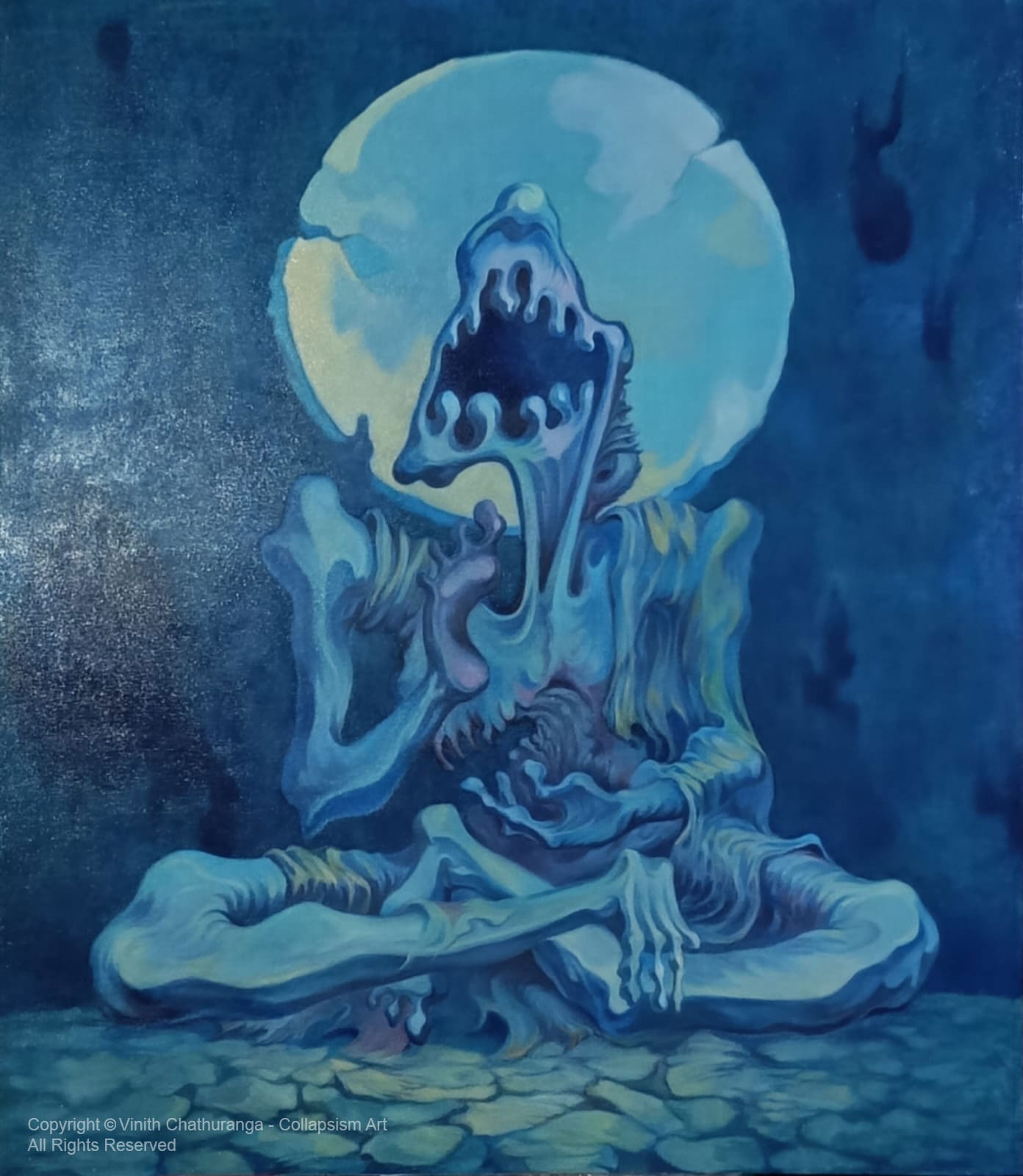
The Dual of Buddha
Oil on Canvas 120 x 104 cm
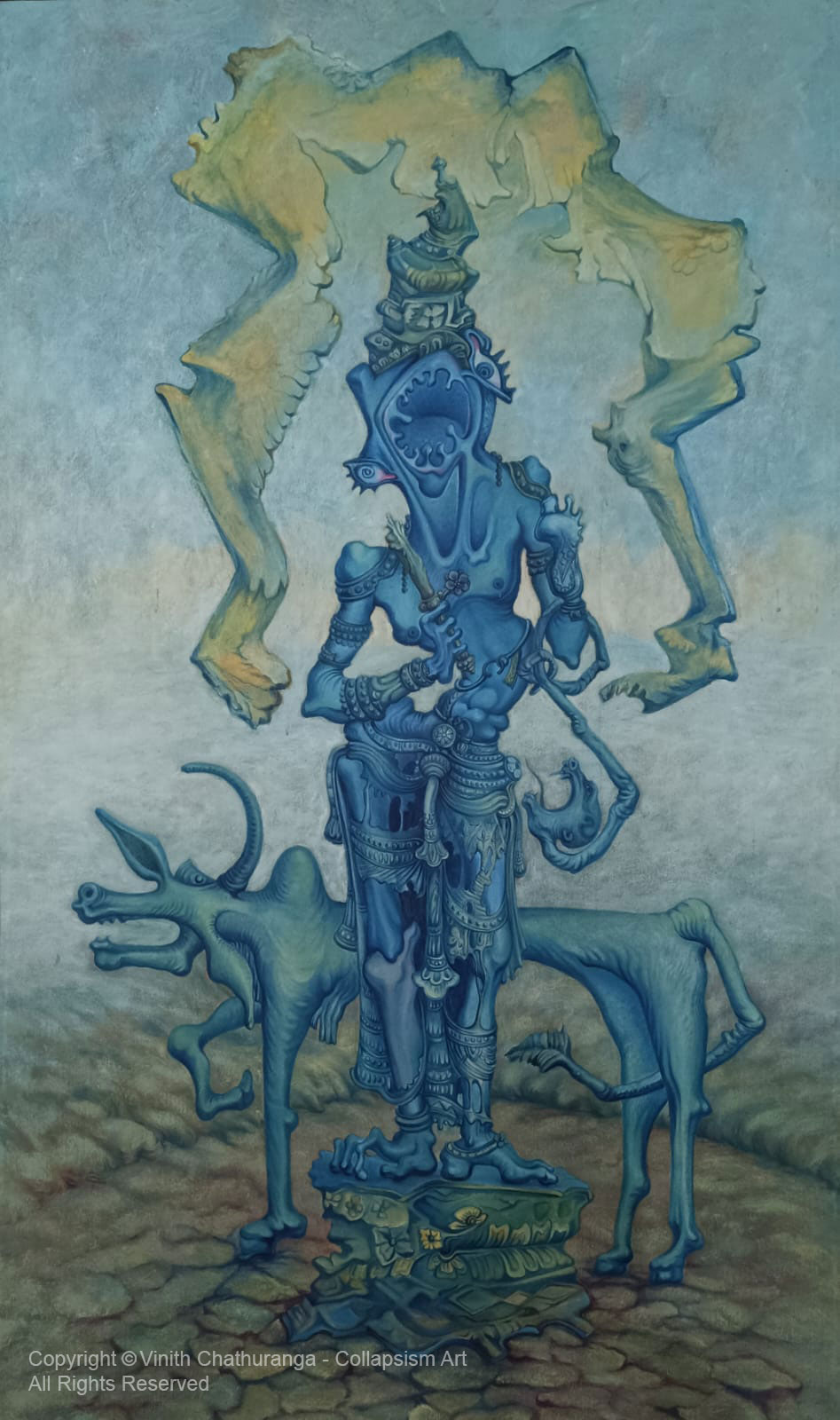
God of Creation
Oil on Canvas 206 x119 cm
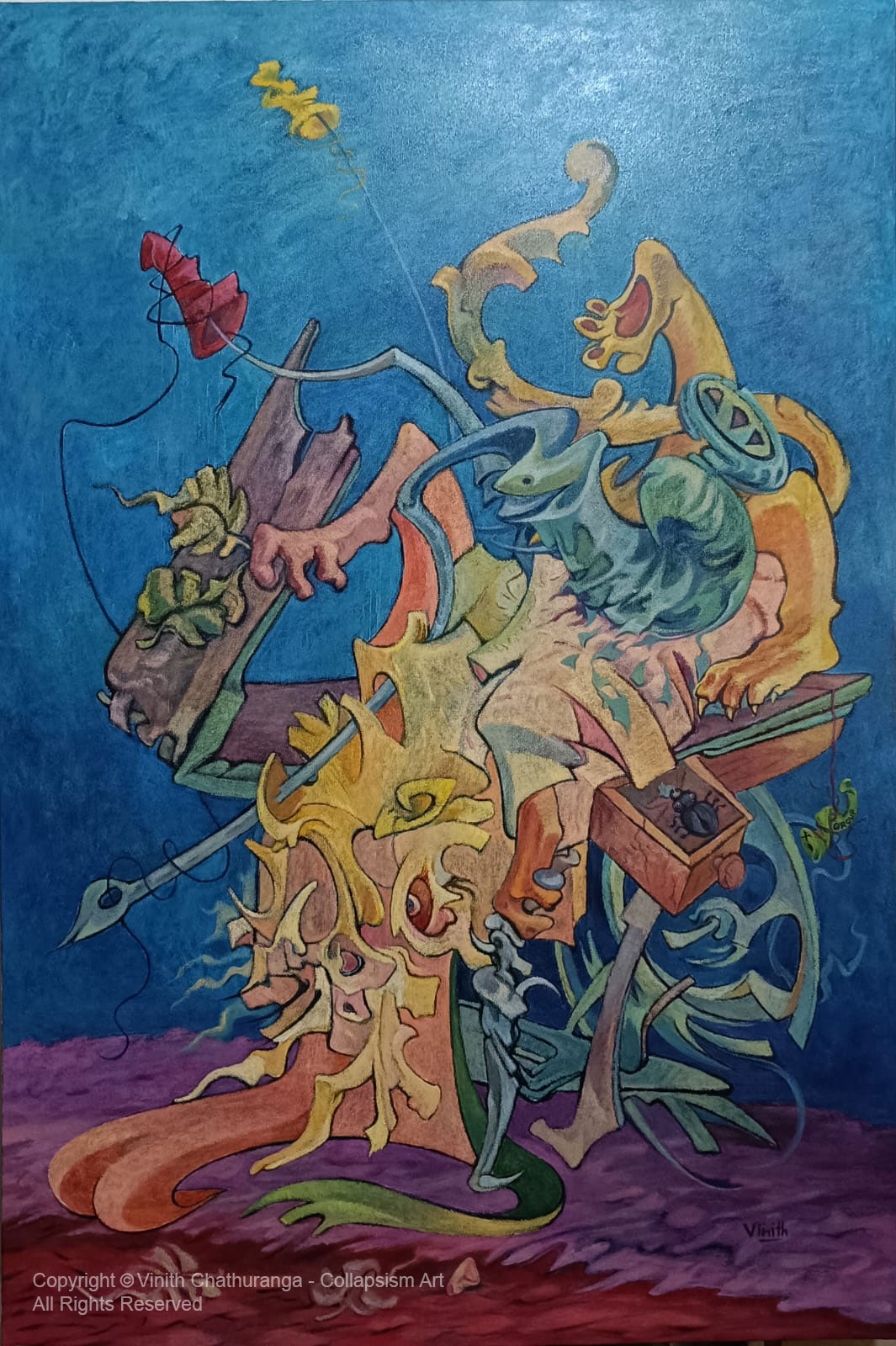
Collapsing Lion Flag
Oil on Canvas 137 x 93 cm
“If the thing appears is reality, Marx mentions that science is not needed to this world” – Karl Marx
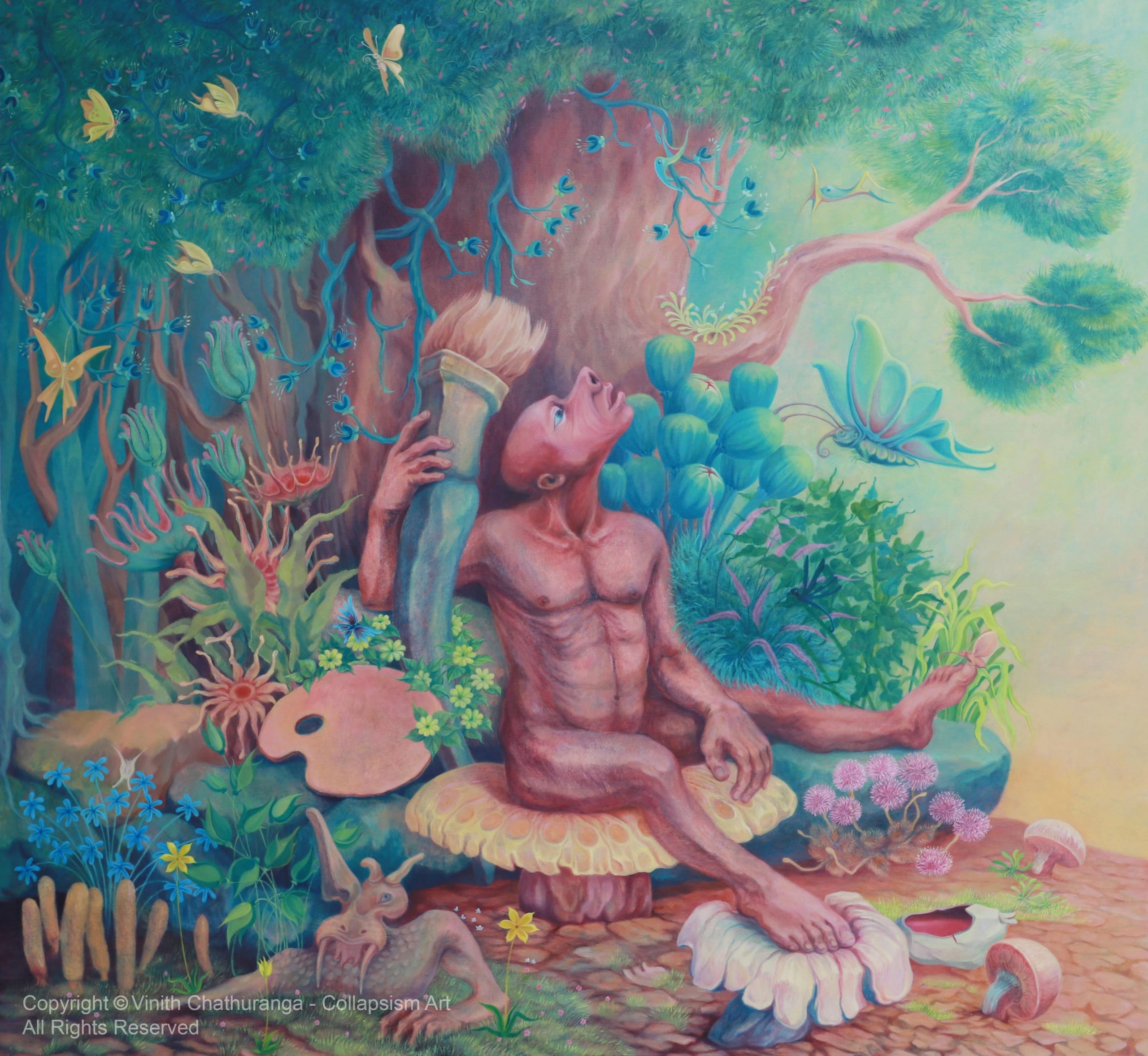
Unlimited Hopes
Oil on Canvas 173×186cm
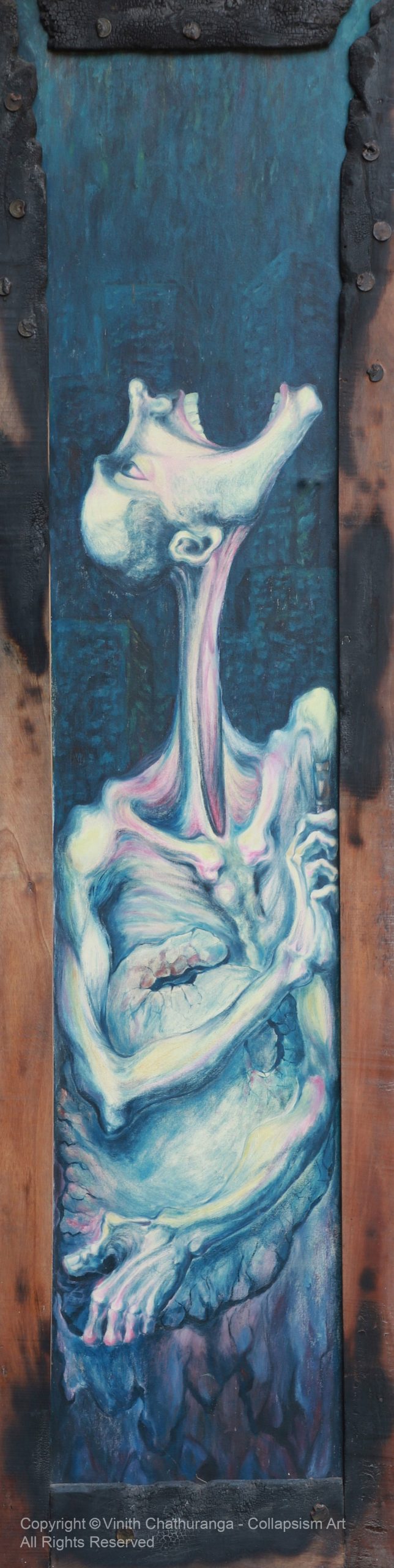
Unbearable Compactness
Oil on Canvas 212x55cm
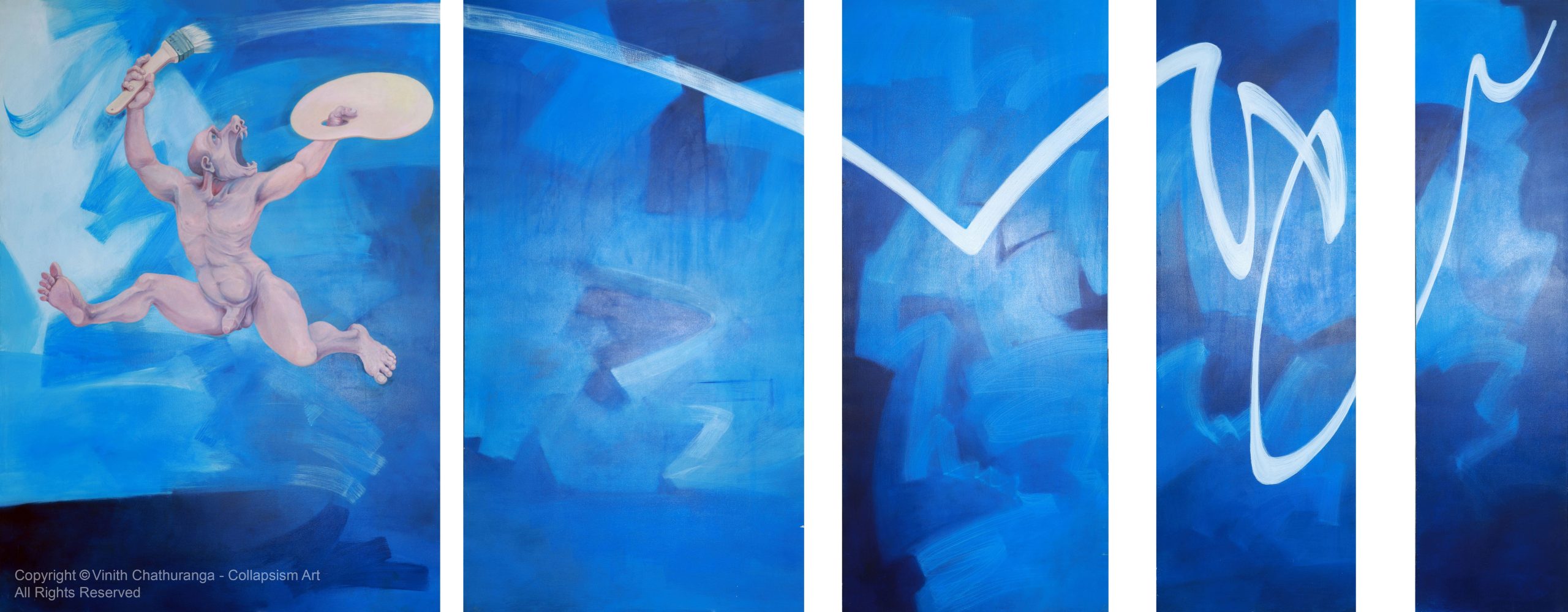
Succeeded
Acrylic on Canvas 514x203cm
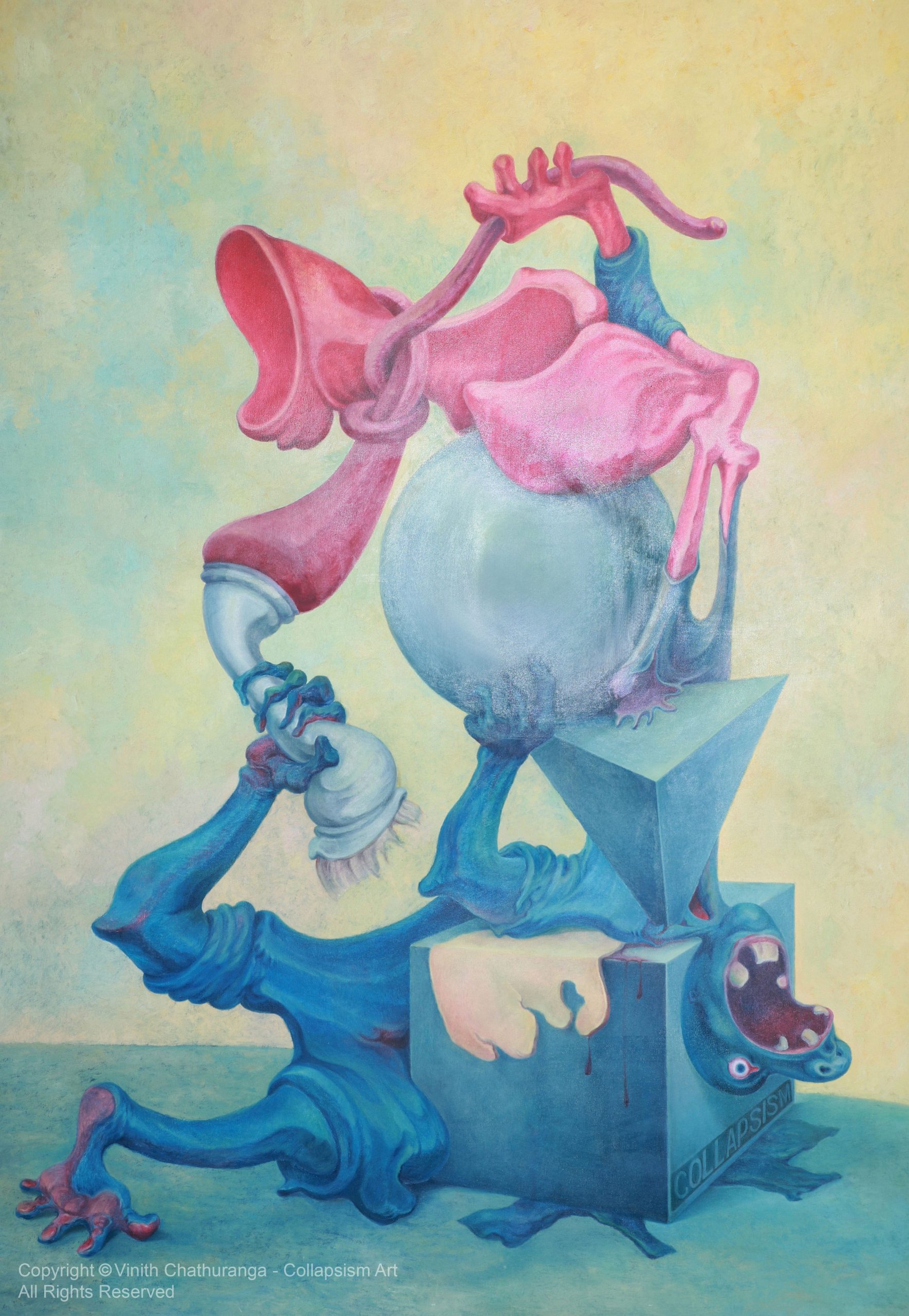
The reality of collaps
Oill on Canvas 150x203cm
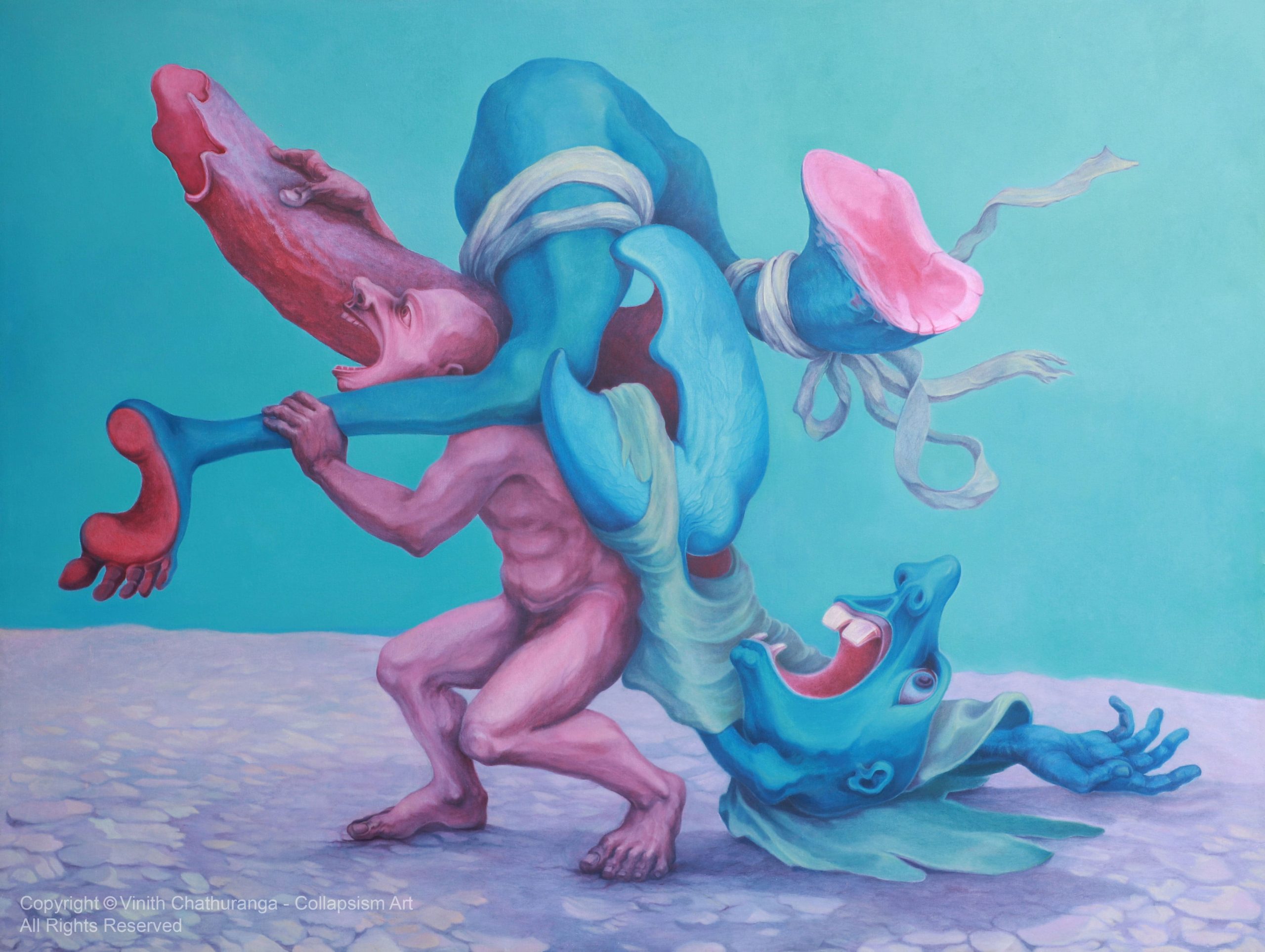
The reality of journey
Oil on Canvas 150×198cm
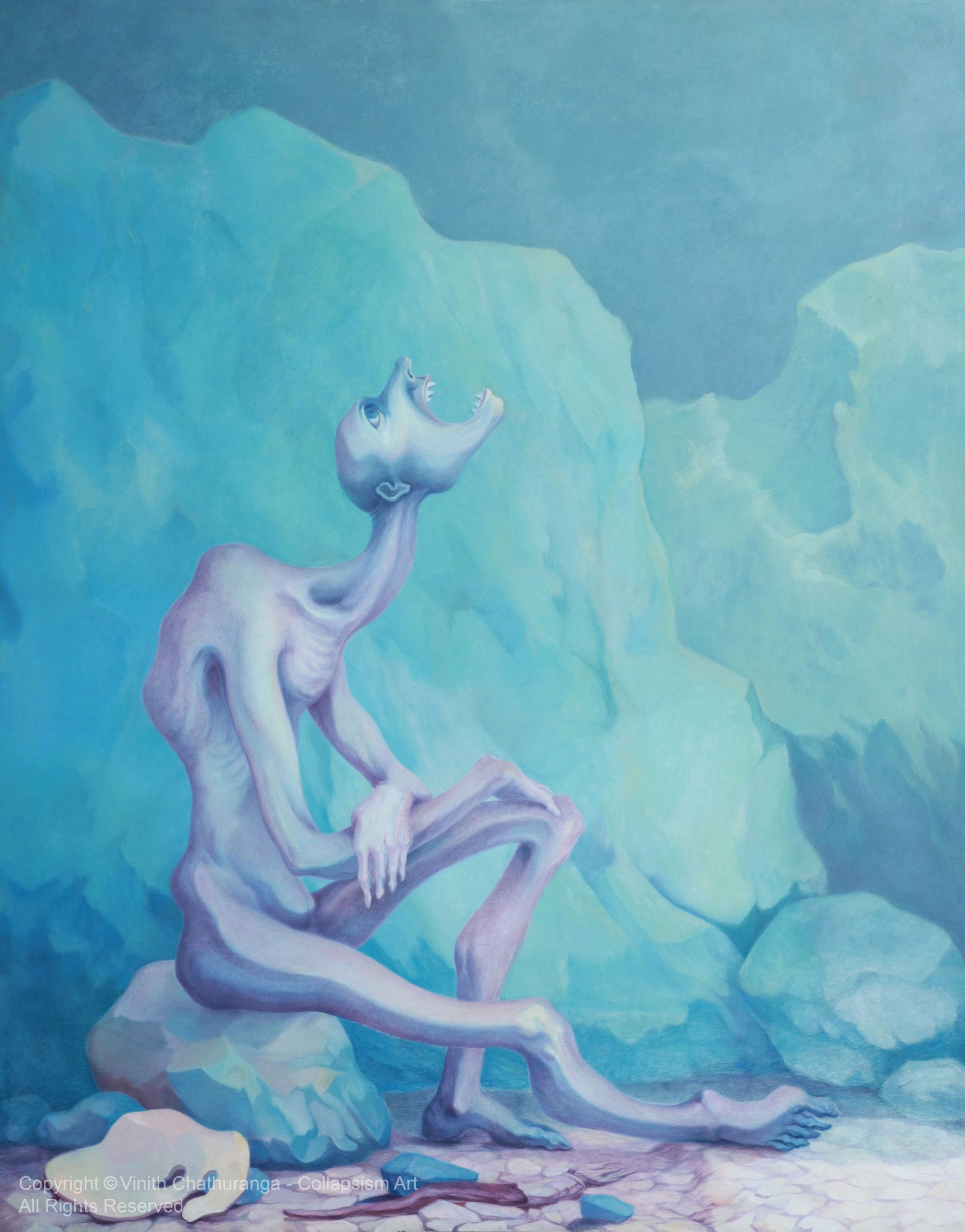
Non stoppable
Oill on Canvas 178×138cm
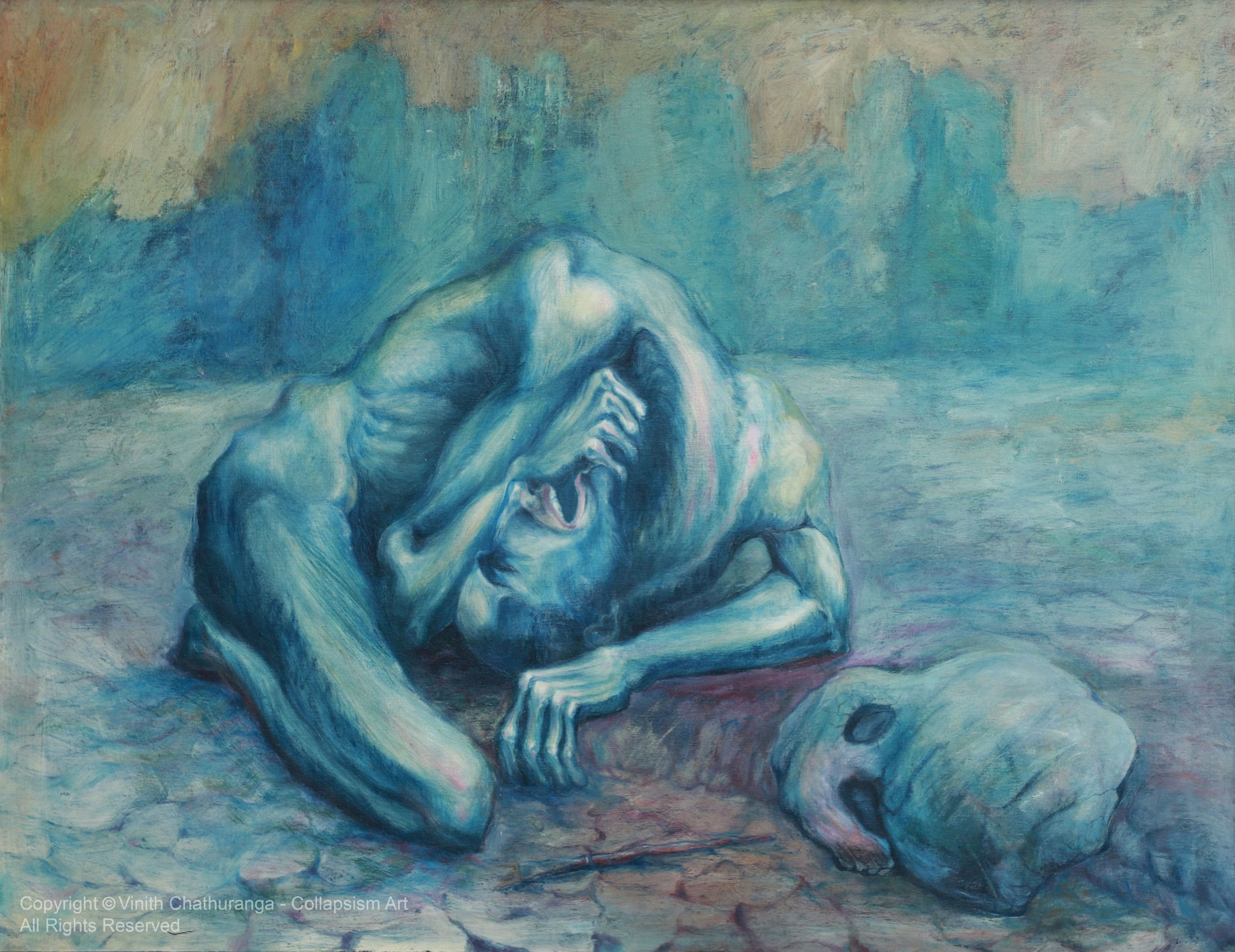
The turning unvoidable
Oil on Canvas 89×107cm
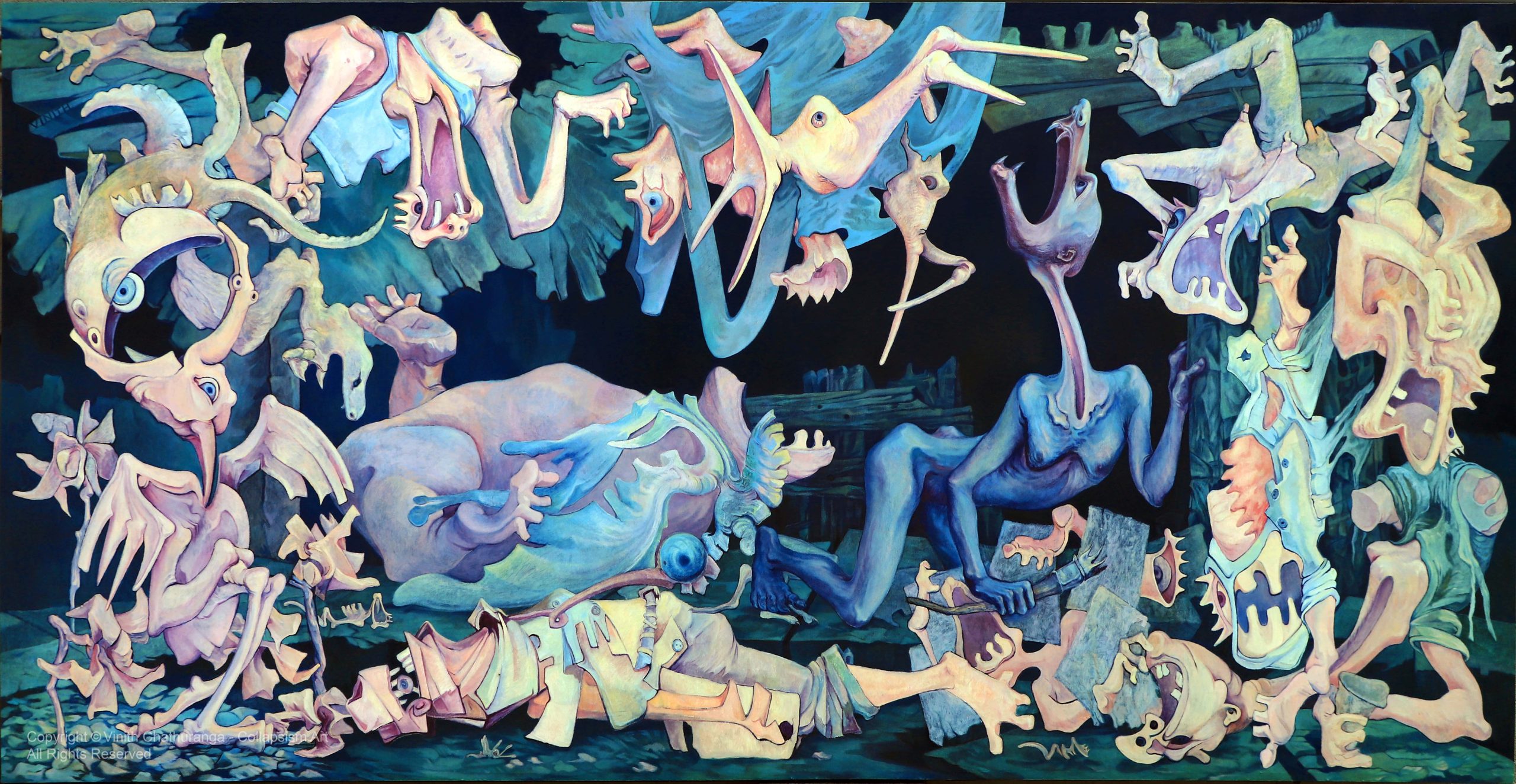
Nudity among reality
Oil on Canvas 478×210cm
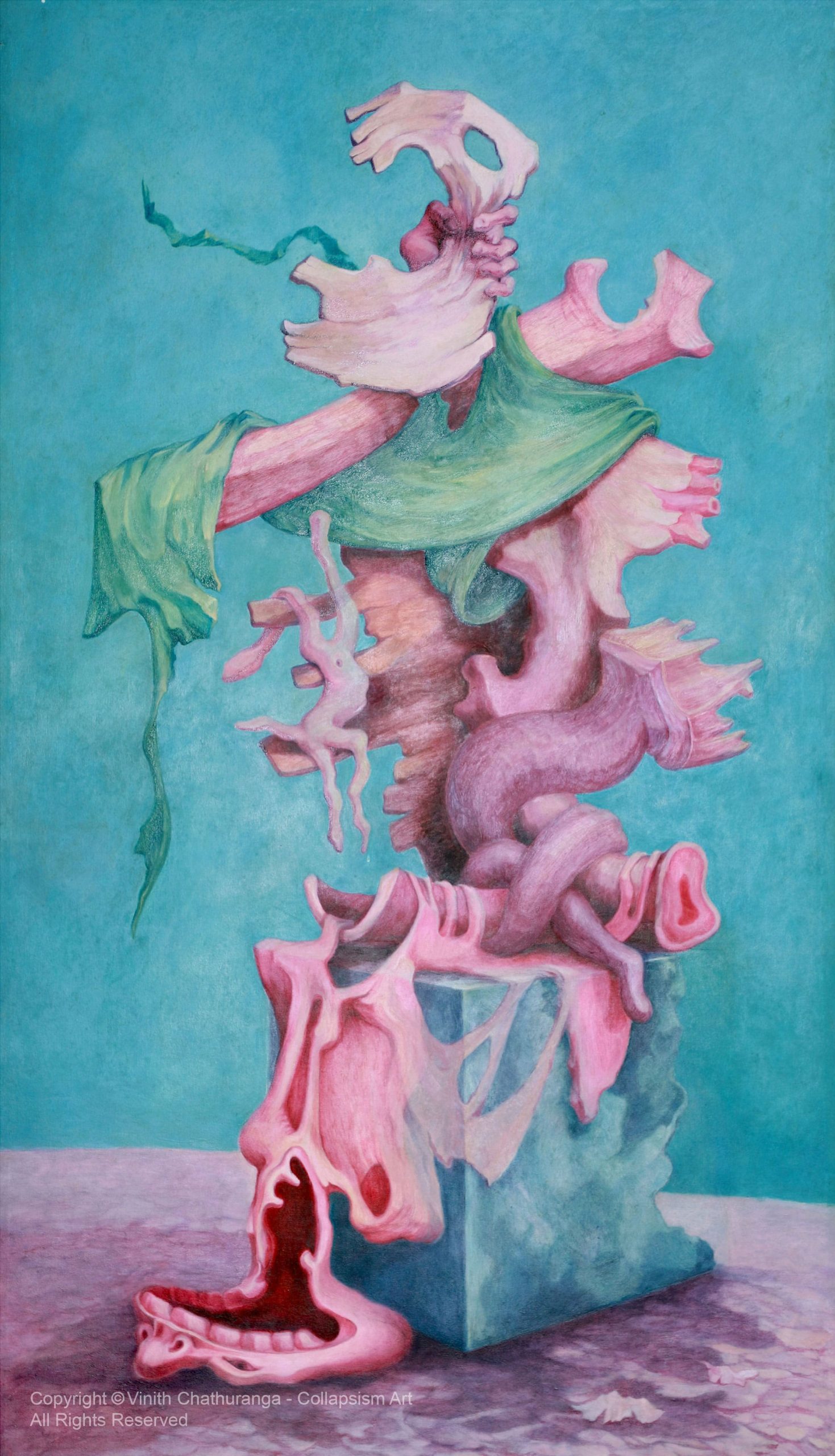
The Monument of Impermance
Oil on Canvas 183×107cm
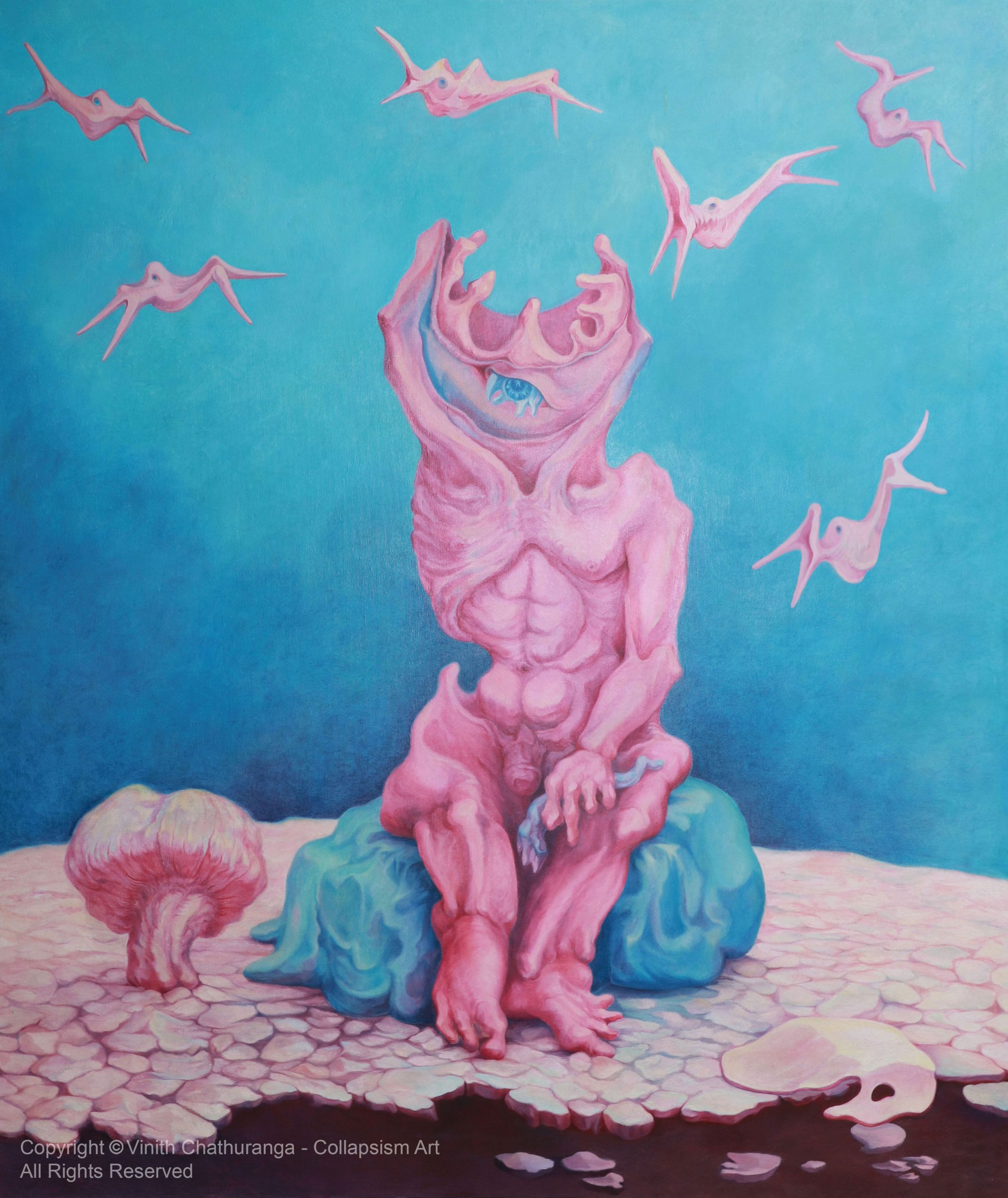
Mother Artist – II
Oill on Canvas 173x200cm
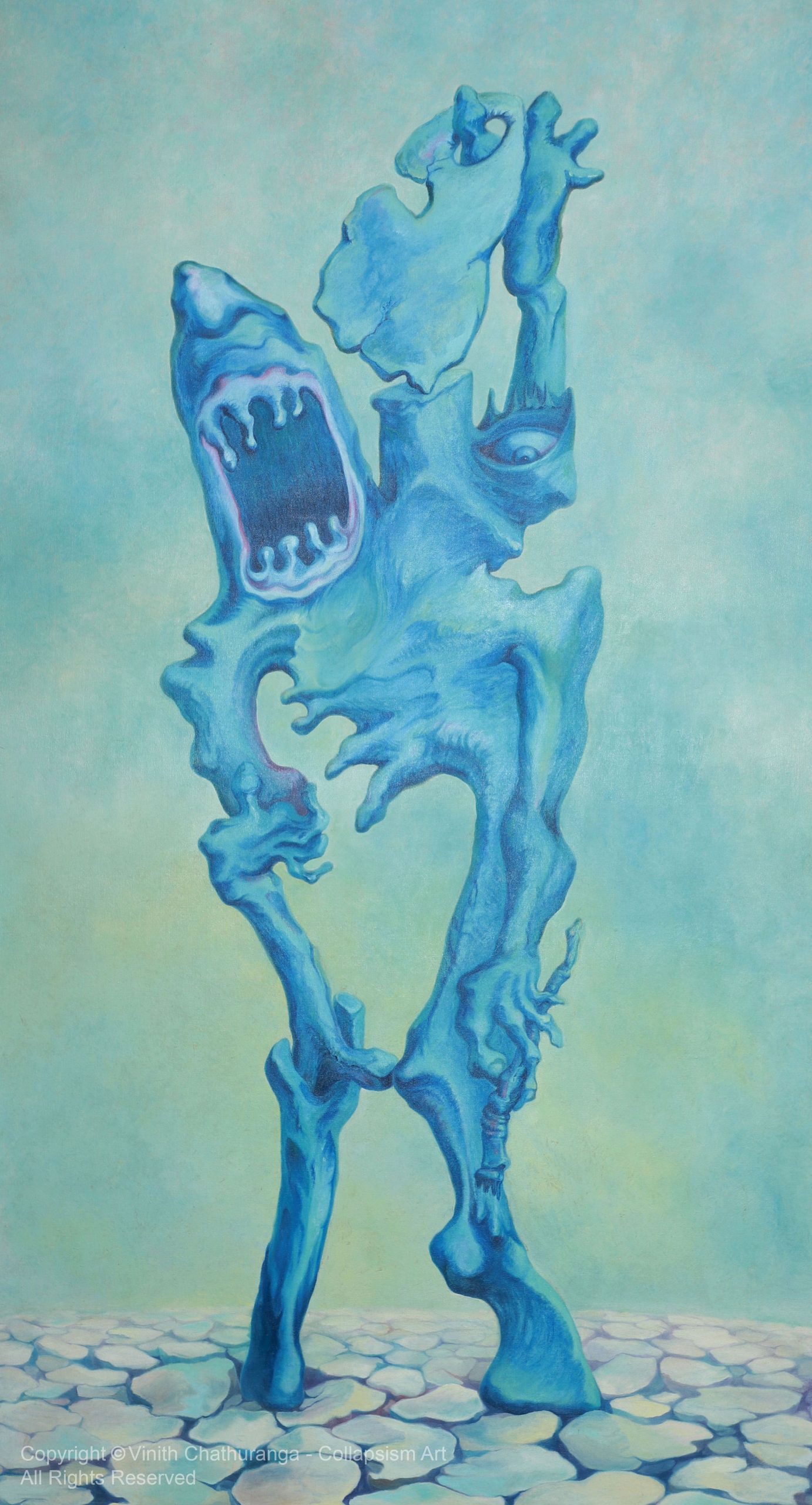
Mother Artist
Oil on Canvas 206x117cm
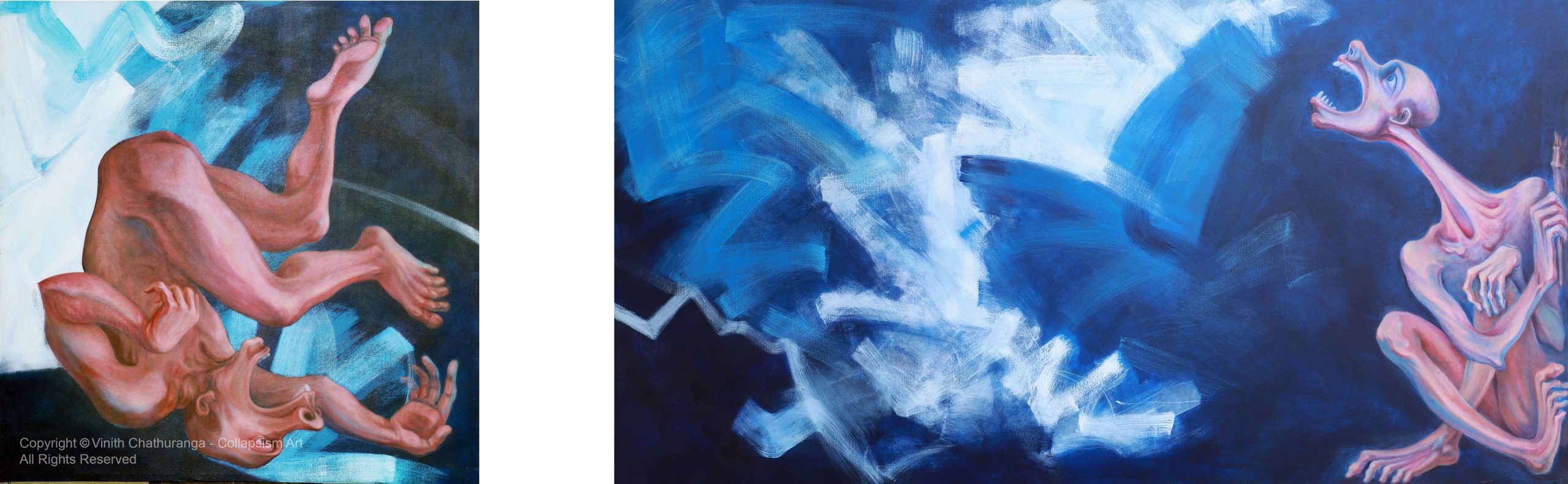
Clash between abstract and reality
Acrylic on Canvas 307x50cm
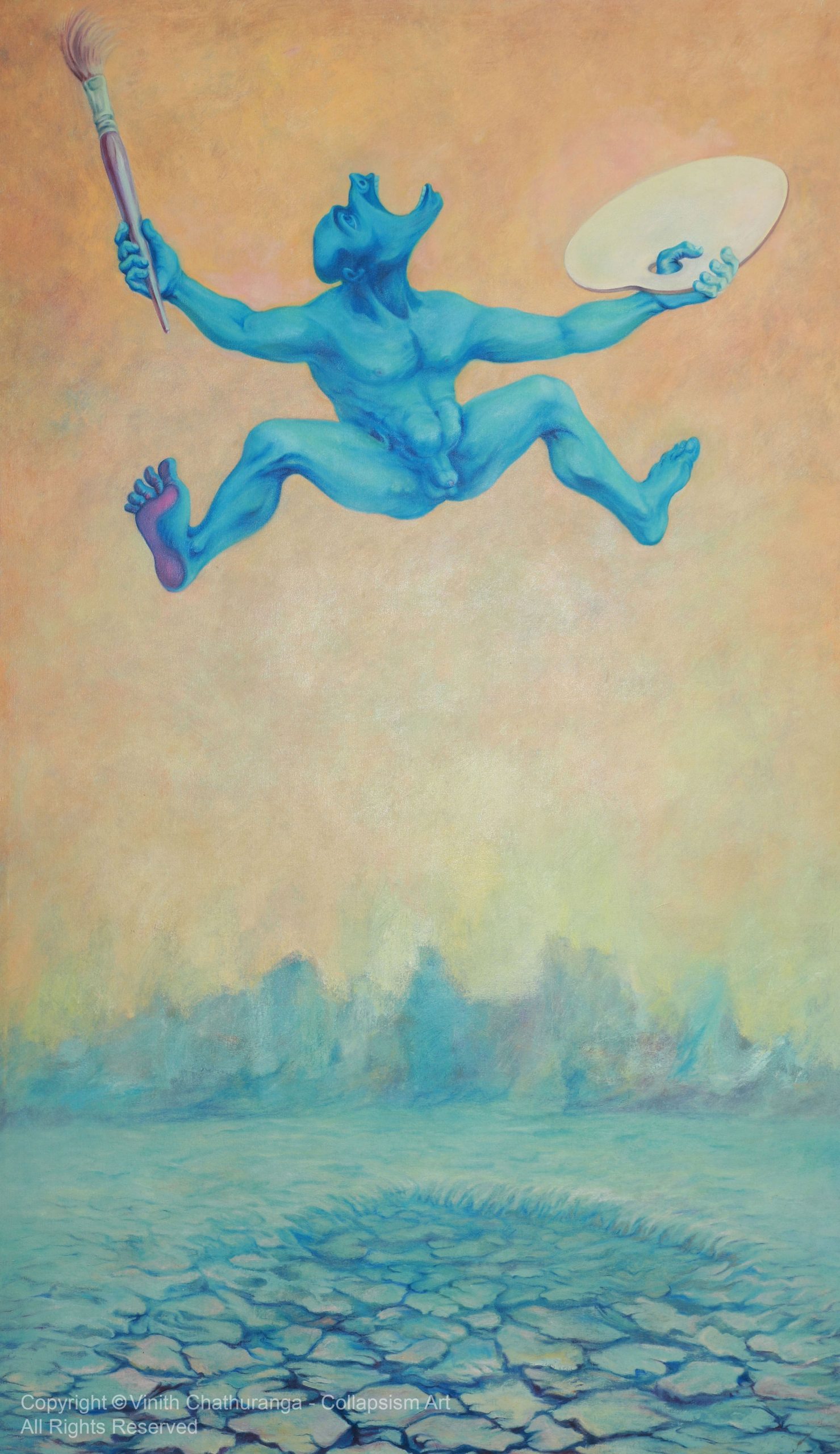
My Freedom
Oill on Canvas 206×117cm
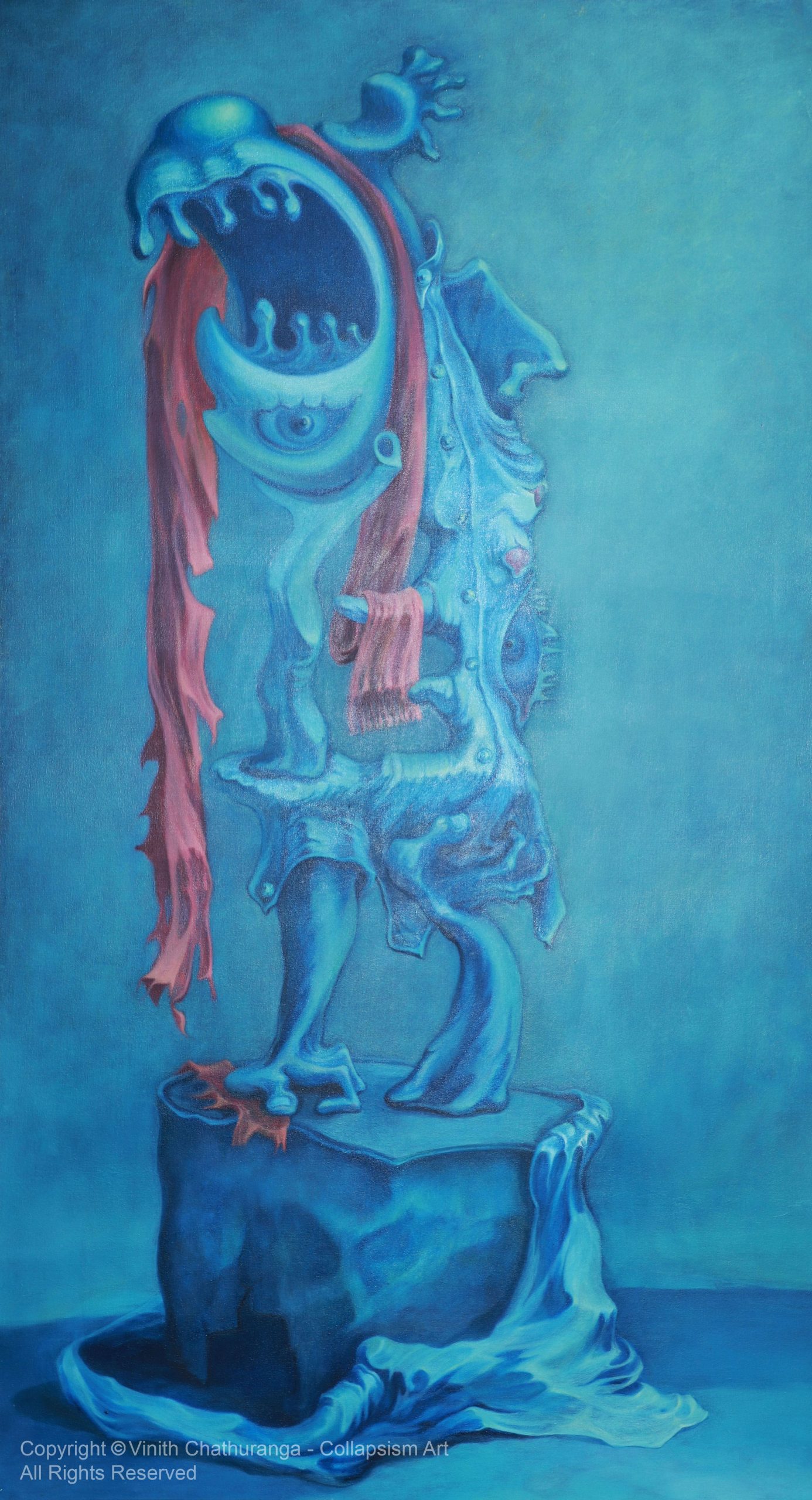
Portrait of Mahinda Rajapaksha
Oil on Canvas 206×119cm
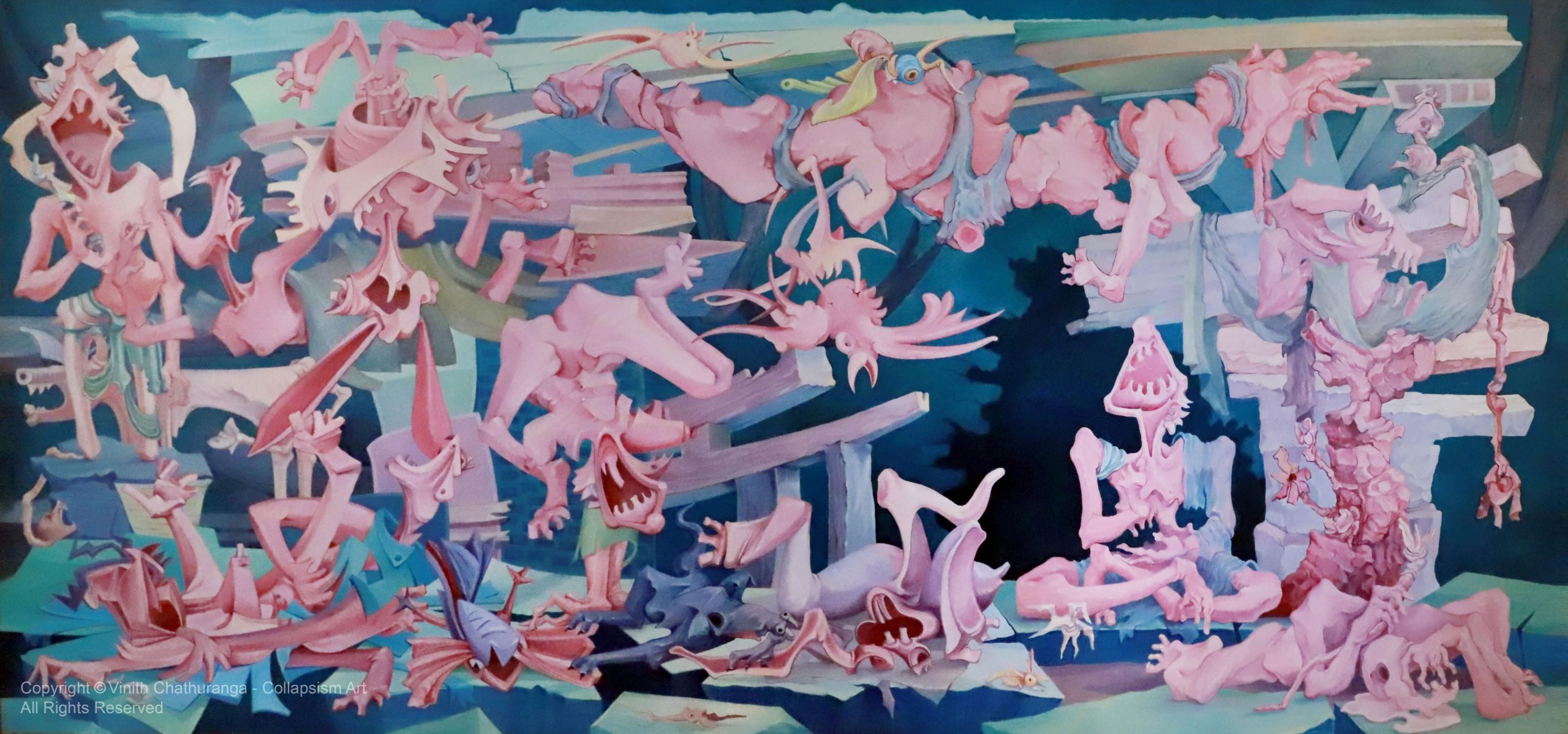
Curse
Oil on Canvas 180×378cm
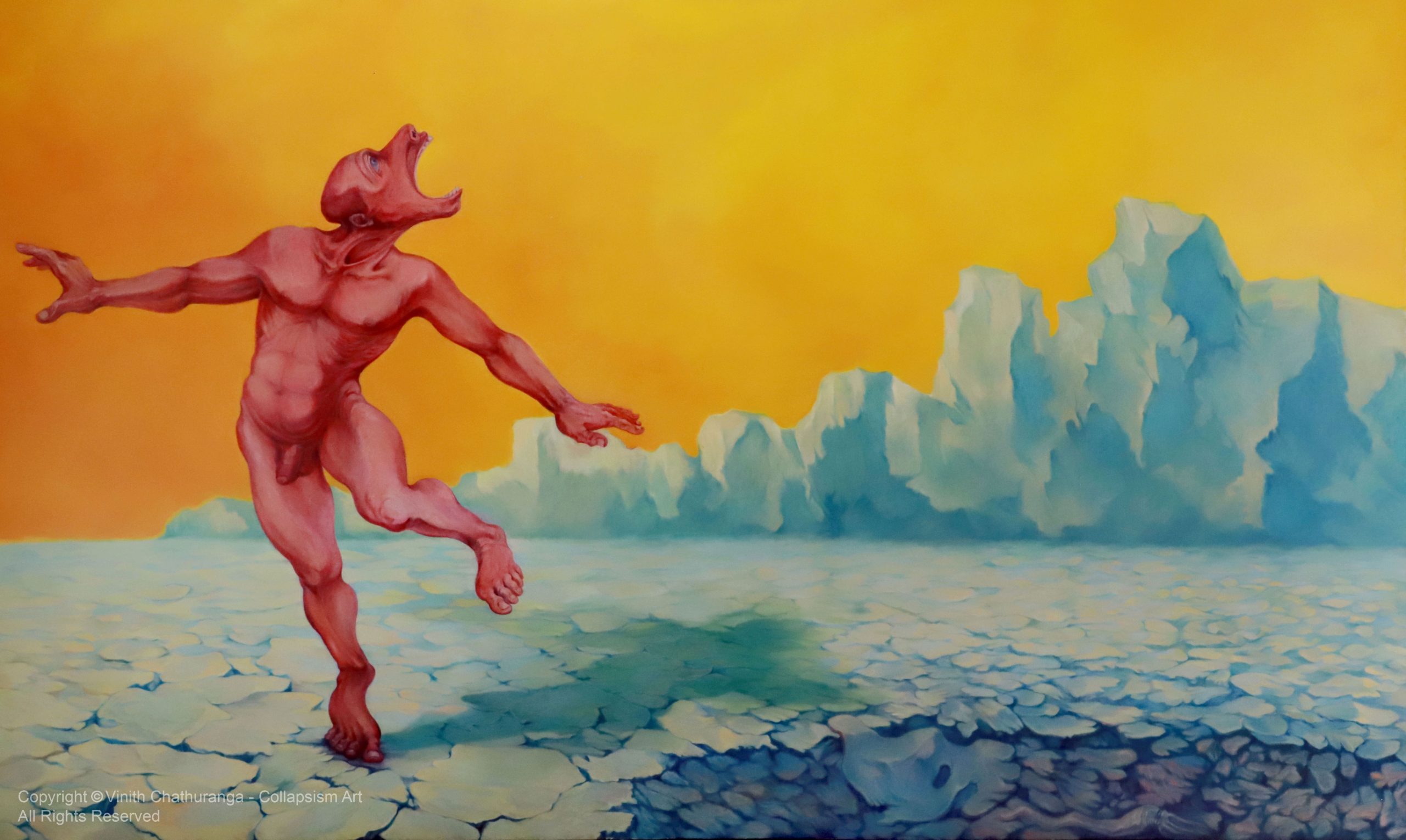
The greatest Tragedy
Oill on Canvas 300×182cm